South Africa’s social assistance system is entering a major transition as the South African Social Security Agency moves away from manual banking methods. From January 2026, grant recipients across the country will be required to receive payments through biometric verification, marking a decisive shift toward digital security. This change is designed to reduce fraud, improve payment accuracy, and ensure grants reach the right people on time. For millions of beneficiaries, the move signals a new era where identity, technology, and access come together in everyday grant collection.
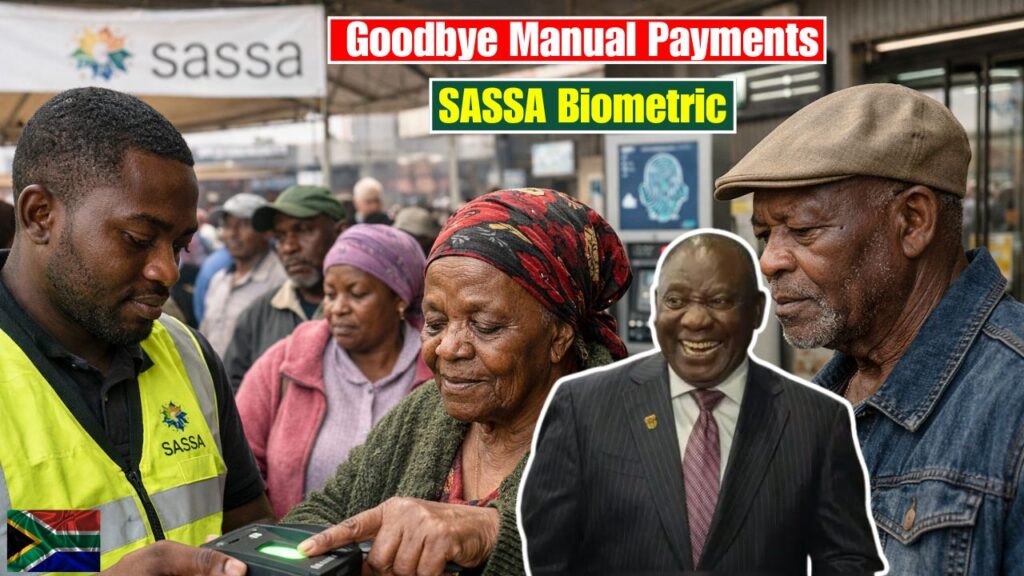
SASSA biometric payments replace manual banking
The introduction of biometric payments means fingerprints or facial recognition will now verify recipients before funds are released. This system focuses on identity verification, ensuring each payment goes to the correct person. Officials say it will reduce fraud risks that have affected manual systems for years. While some recipients worry about adapting, the agency has promised assisted enrolment at local offices. Over time, biometric checks are expected to speed up queues, reduce disputes, and provide secure access to grants without relying on paper documents or third-party handling.

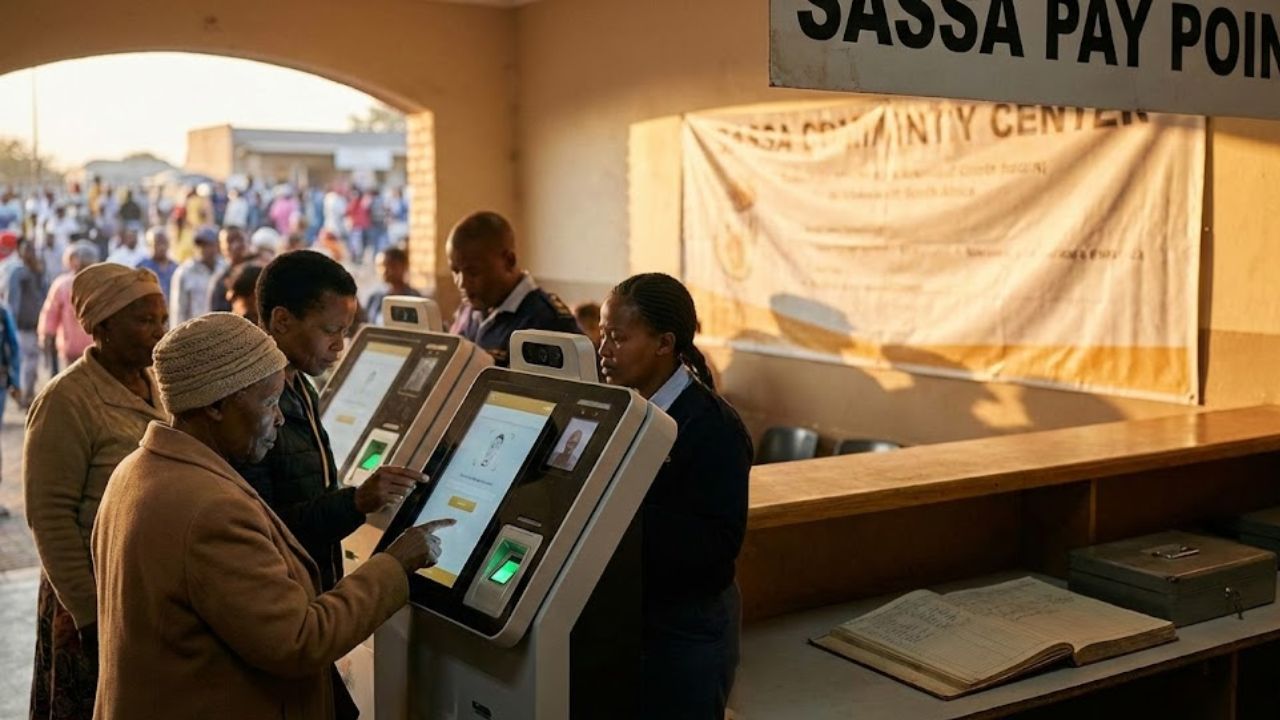
January 2026 grant rules under biometric system
From January 2026, all beneficiaries must complete biometric registration to continue receiving payments. This requirement applies across grant types and aims to standardise payment validation nationwide. Those who fail to register may experience temporary holds until verification is complete. The agency has stressed early registration to avoid last-minute disruptions. Mobile units and community centres will assist rural areas, ensuring wider coverage. By setting clear timelines, the new rules are intended to make the transition predictable rather than disruptive for vulnerable households.

How biometric grant banking affects beneficiaries
For recipients, biometric banking changes how grants are accessed but not the value received. The biggest advantage is faster processing once systems are in place. Beneficiaries will no longer need to rely on cards or paperwork alone, reducing lost card issues. There are also concerns around data privacy, which authorities say is protected under national laws. In practice, the shift should mean fewer delays and a more reliable monthly experience, especially during high-volume payment periods.
What this shift means for South Africa’s grant system
Biometric payments represent more than a technical upgrade; they reshape how social support is delivered. By linking identity directly to payment, the system strengthens accountability measures and limits misuse. It also creates a foundation for future digital services within social protection. While the adjustment period may feel challenging, especially for older recipients, the long-term goal is system trust and stability. If implemented carefully, biometric banking could modernise grants without excluding those who depend on them most.
| Aspect | Old System | Biometric System |
|---|---|---|
| Verification Method | ID and card | Fingerprint or face |
| Fraud Risk | Higher | Lower |
| Registration Needed | No | Yes |
| Payment Speed | Variable | More consistent |
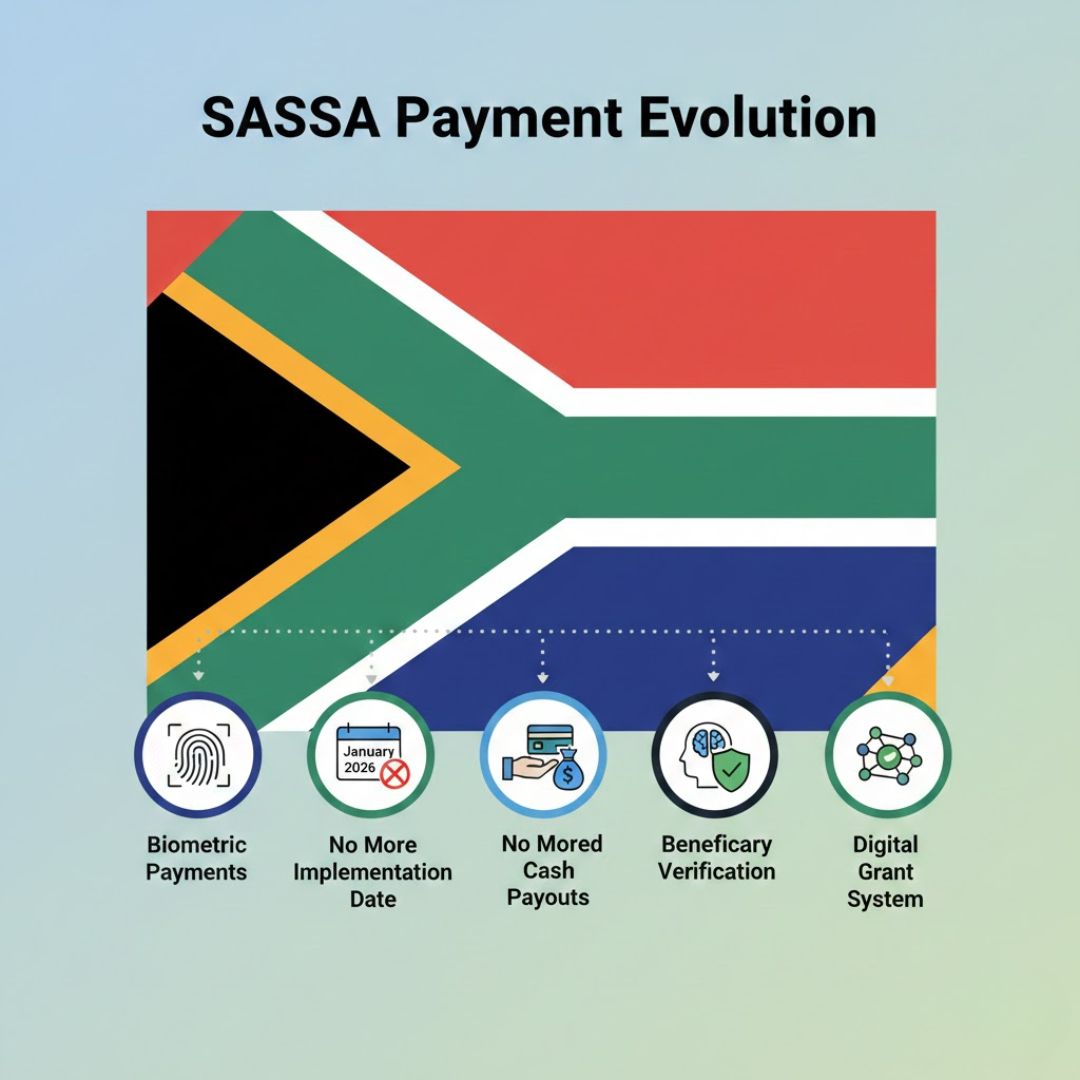
Frequently Asked Questions (FAQs)
1. When do biometric payments start?
Biometric grant payments become mandatory from January 2026.

2. Who must register for biometrics?
All existing and new grant beneficiaries must complete biometric registration.
3. Will grant amounts change?
No, the payment method changes but grant amounts remain the same.
4. What if someone cannot register on time?
Payments may be paused temporarily until biometric verification is completed.