South Africa is preparing for significant changes to its retirement savings system as new reforms begin in 2026. These updates will modify retirement age requirements and alter how employees contribute to pension funds and withdraw their money. The central element of this reform is a two-pot retirement system intended to provide flexibility while safeguarding long-term financial security. Given the shifting economic conditions and demographic trends workers throughout the country should review their retirement plans immediately rather than postponing this task to ensure adequate savings.

Two-Pot Reform Timeline and Rule Changes Leading Into 2026
| Age Bracket | Contribution Requirements | Retirement Savings Access Rules |
|---|---|---|
| 55 to 59 years | Regular monthly retirement contributions remain compulsory | Only limited withdrawals are allowed from the accessible savings portion |
| 60 to 64 years | Contribution rules become reduced or flexible | Full access is granted to the accessible savings pot, while long-term savings remain restricted |
| 65 years and older | Retirement contributions are optional and no longer mandatory | Unrestricted access to both accessible and long-term retirement savings pots |
| All employees | Mandatory enrollment in the two-pot retirement savings system | Emergency withdrawals are strictly limited to the accessible savings pot only |

Retirement Age Shifts in 2026 and Their Impact on Workers
The government has decided to raise the retirement age to help pension funds last longer. Workers who are getting close to retirement will now pay into the system for more years. This gives them extra time to build up their savings before they stop working. People between 55 and 60 years old will see these changes happen slowly so they have enough time to adjust their finances. Knowing about the new retirement age matters because it changes how much money you will have later and what kind of life you can afford when you stop working.

Understanding the Two-Pot System and Limited Savings Access
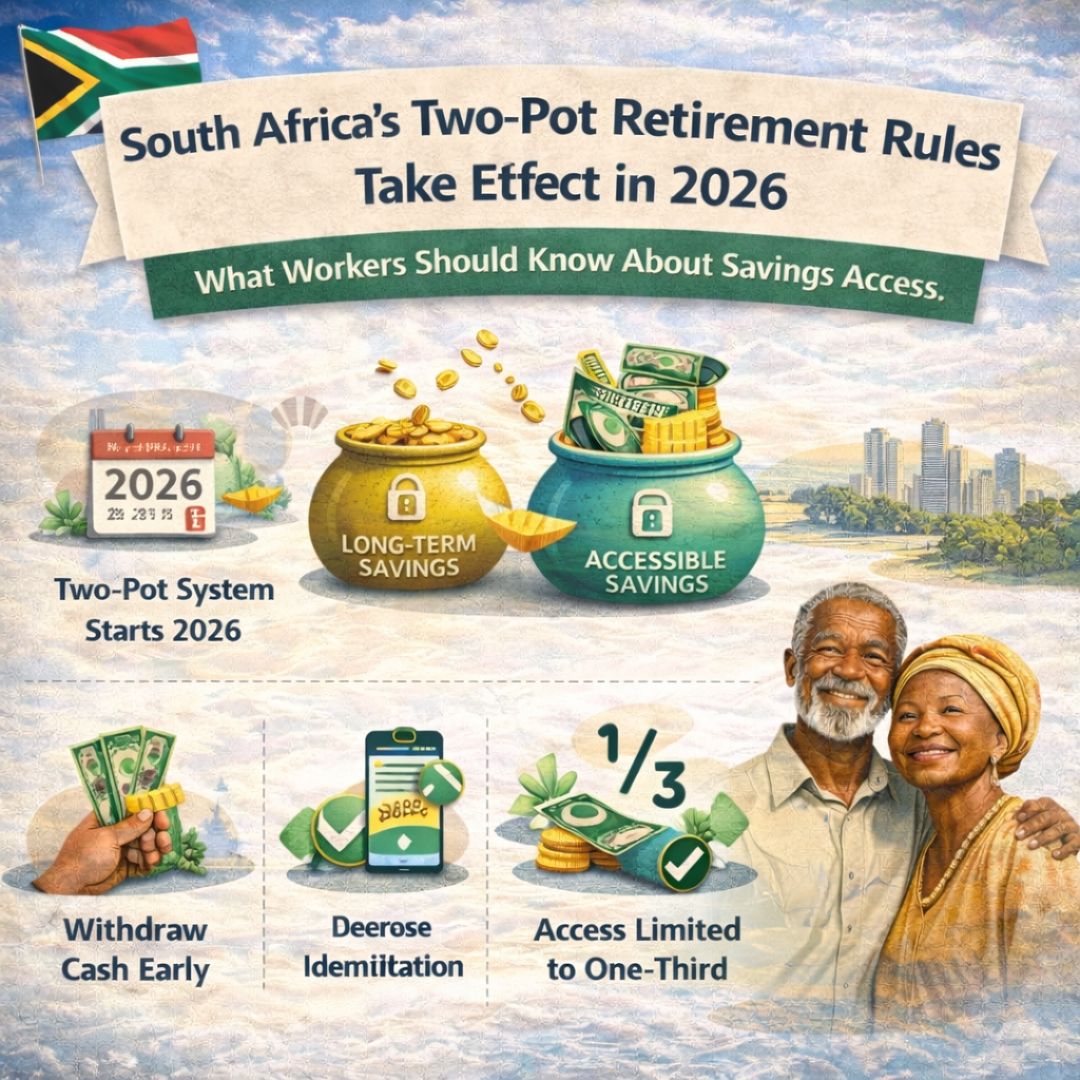
Understanding the Two-Pot Retirement System The two-pot model splits your retirement savings into two separate parts. One part lets you take out money when emergencies happen and the other stays locked until retirement. This setup helps workers manage sudden financial problems without using up all their retirement money. Using the available part carefully matters because taking out too much money might lower your retirement income in the future. Financial advisors suggest making a thoughtful budget & setting clear rules about when to make withdrawals. This system gives you flexibility during tough times while protecting your future financial stability. The key is knowing when to use your emergency funds and when to leave them alone. Many people struggle with this balance but having clear rules helps prevent rushed decisions that could harm your future. The protected portion grows over time and creates the foundation for your retirement years. The accessible portion works as a safety net for real emergencies like medical bills or urgent home repairs. Understanding what each portion is for helps you make better financial choices throughout your working life.

Financial Planning Strategies Workers Should Prepare Before 2026
Workers should reconsider their savings amounts & investment choices because of updated age requirements & new savings alternatives. Looking over retirement paperwork and establishing new savings goals can help individuals match their strategies with the current regulations. Consulting a financial professional is beneficial as well. Employers play a crucial role because they need to give workers correct details about how much they can contribute and when they can make withdrawals under the revised system.