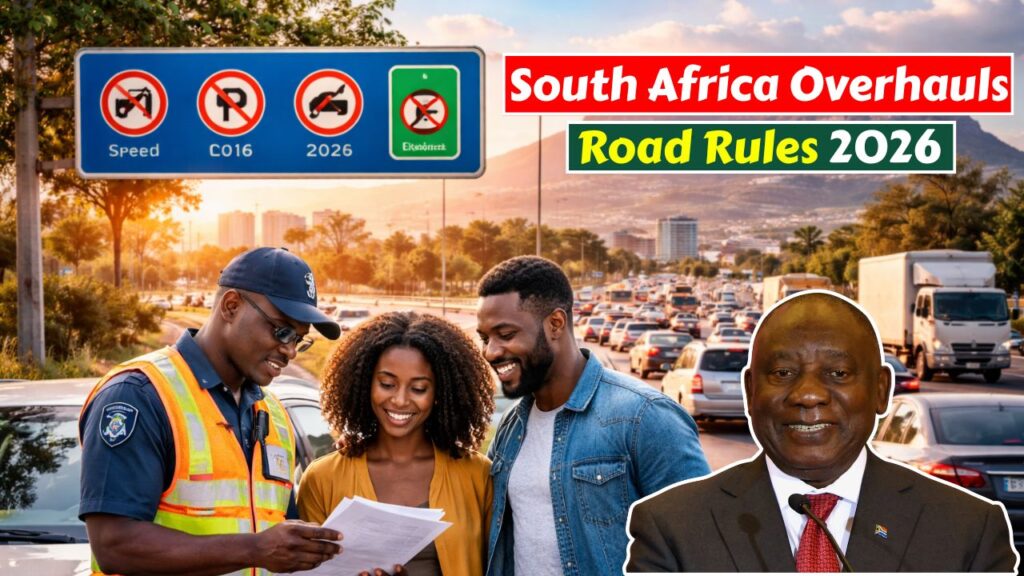
South Africa’s 2026 driving laws represent a decisive shift toward improved road safety, accountability, and compliance. Despite declining road-safety statistics, increasing pressure on transport authorities has driven the introduction of stricter regulations and firmer enforcement aimed at protecting road users and reducing fatalities. These measures are designed to promote respect for traffic laws while encouraging safer travel practices. Road users are strongly urged to familiarise themselves with the updated rules to avoid infringements and ensure safer journeys.
Mandatory Driving Licence Requirements and Compliance
From 2026 onward, all drivers are required to carry a valid driving licence at all times. Compliance and accountability now sit at the core of traffic enforcement. Drivers found operating vehicles with expired, suspended, or incorrect licence categories face heavy fines and possible sentencing. Licence renewals must be completed on time, and proof of renewal applications may no longer be accepted during roadside inspections.
Stricter Penalties for Traffic Offences
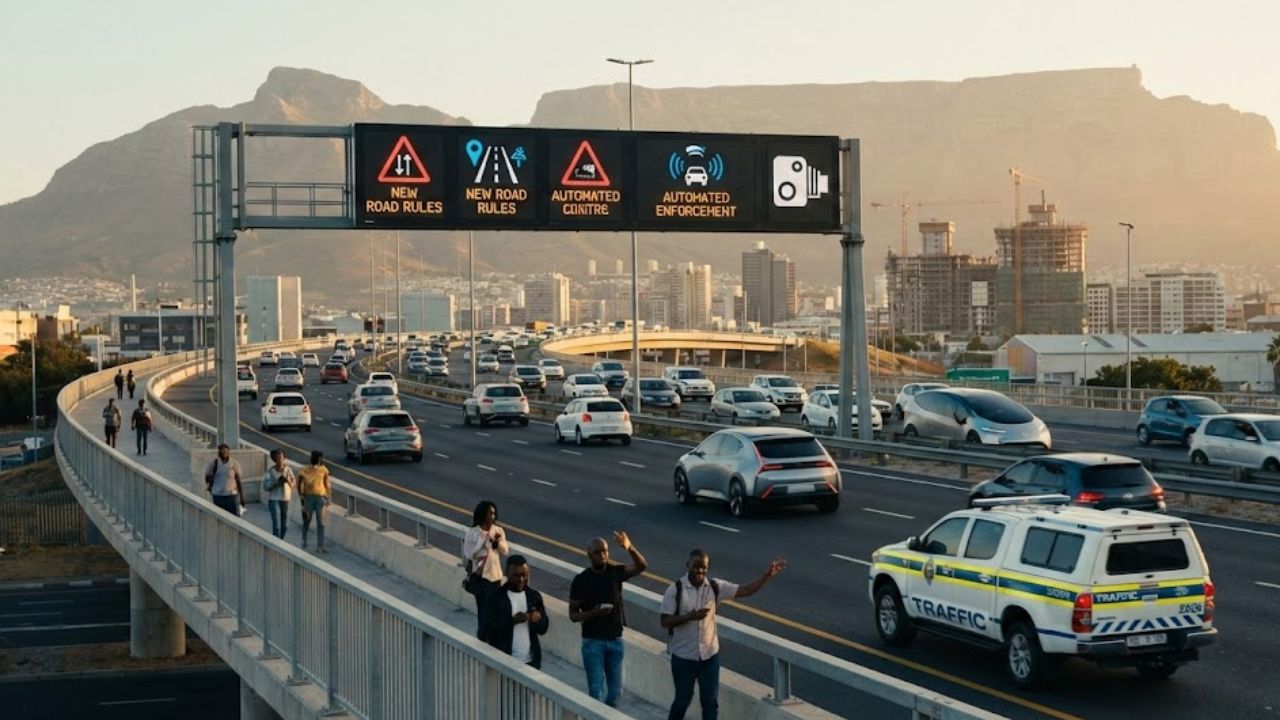
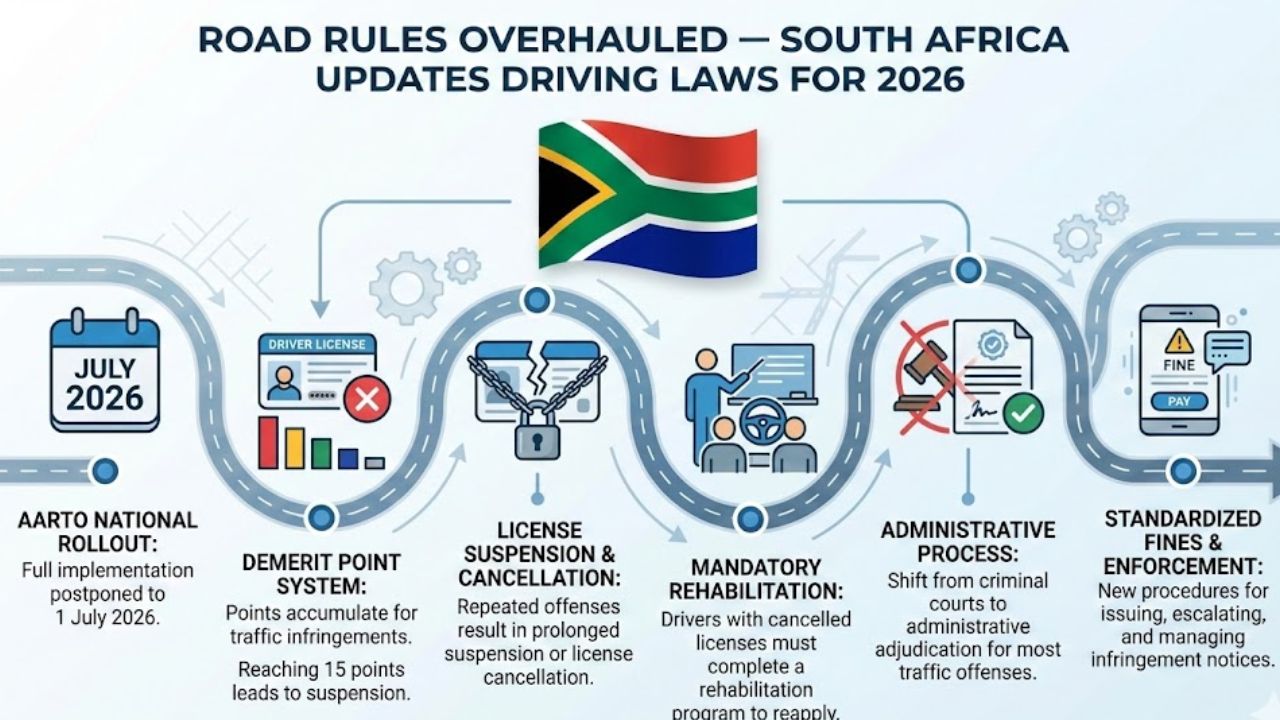
Traffic violations such as speeding, reckless driving, ignoring traffic signals, and driving under the influence now attract far harsher consequences. Enforcement measures include increased fines, demerit points, and potential licence suspension or revocation, particularly for repeat offenders. These steps aim to reinforce responsible driving behaviour across all provinces.
Enhanced Alcohol and Drug Driving Enforcement
Driving under the influence of alcohol or drugs remains strictly prohibited in South Africa. In 2026, enforcement has intensified, with more frequent sobriety testing at roadblocks and a zero-tolerance approach to impaired driving. Motorists are encouraged to plan ahead, appoint designated drivers, or arrange alternative transport to avoid severe legal consequences.
Vehicle Roadworthiness and Safety Compliance
Vehicle owners are legally responsible for ensuring their vehicles meet roadworthy and safety standards at all times. Vehicles with faulty brakes, worn tyres, defective lights, or unsafe trailers may result in heavy fines or on-the-spot impoundment. Regular maintenance checks are strongly advised to remain compliant and prevent accidents.

Seatbelt Enforcement and Child Safety Rules
Seatbelt laws remain firmly enforced in 2026. All vehicle occupants, including those in rear seats, must wear seatbelts. Children must be secured in age- and size-appropriate car seats, and failure to comply carries financial penalties for drivers and guardians.
Responsibilities of Pedestrians and Cyclists
Shared responsibility among all road users continues to be emphasised. Motorists are required to yield to pedestrians at designated crossings and remain vigilant when sharing roads with cyclists. Cyclists are also expected to take responsibility for their own safety while using public roads.
Traffic Fine Payment Procedures
Traffic infringement payments may be settled using approved methods within specified timeframes. Payments made within five days may qualify for a discount of up to 5%, capped at 10%, as determined by the Treasurer. Failure to pay within the stipulated period may result in additional penalties.
Commitment to Safer Roads in 2026
The 2026 traffic laws in South Africa place strong emphasis on safety, discipline, and legal compliance. By staying informed and adhering strictly to these regulations, motorists can avoid financial penalties, protect their licences, and contribute to safer roads for everyone.